
What Does a “Crooked Back” Actually Mean?
“Crooked back” isn’t a medical diagnosis — it’s what people say when their spine doesn’t look or feel straight. It usually points to one of three different things, and they aren’t treated the same way.
- Scoliosis — a sideways curve of the spine. The most common form appears during adolescence and has no identifiable cause. A separate form develops later in life as discs and joints degenerate.
- Kyphosis — excessive forward rounding of the upper back, often described as a hunchback or dowager’s hump. Some cases are postural and flexible; others are structural and rigid.
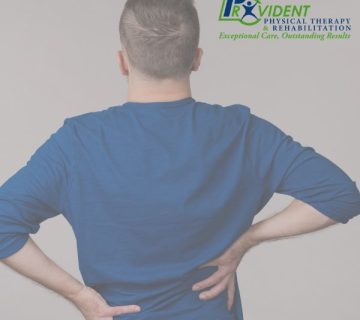
- Postural asymmetry — no structural change in the spine at all, but muscle imbalance and habitual position make the back look uneven. This is the most common and the most responsive to treatment.
Which one you have determines what can realistically be changed, so an accurate assessment comes before any treatment plan.
Can a Chiropractor Straighten a Crooked Back?
Not structurally. Chiropractic adjustment doesn’t reposition vertebrae permanently, so a fixed curve — whether scoliosis or rigid kyphosis — won’t be straightened by manipulation. No conservative treatment does that; correcting an established structural curve requires bracing during growth or surgery.
That doesn’t mean chiropractic care has no role. Many people with spinal curves have secondary pain from muscle tension and joint restriction, and manual treatment can ease that. The distinction worth understanding is between managing symptoms and changing the underlying curve. If a provider tells you adjustments will correct scoliosis, that claim isn’t supported.
For postural asymmetry the picture is different, because there’s no fixed curve to correct — the problem is muscular and habitual, which means it genuinely can change.
What Physical Therapy Does for a Crooked Back
Physical therapy targets what’s actually modifiable: strength, flexibility, movement control, and the habits that reinforce an uneven posture. A therapist evaluates where the curve is, which muscles are working too hard, which have gone quiet, and how it’s affecting the way you move.
Treatment usually combines hands-on work to release restricted tissue with a progressive exercise program built around your specific asymmetry. For structural curves, the aim is pain control, maintaining mobility, and slowing progression. For postural cases, the aim is correction, and results are often substantial.
Because most curves produce pain in the surrounding muscles rather than the spine itself, treatment overlaps considerably with care for neck and back conditions generally. Our overview of how physical therapy addresses low back pain covers the mechanics in more detail.
Warning Signs That Warrant an Evaluation
Get assessed rather than waiting if you notice any of the following:
- Uneven shoulders, hips, or a rib prominence when bending forward
- A curve that appears to be worsening, particularly in a child or teenager still growing
- Back pain that persists beyond a few weeks or disrupts sleep
- Numbness, tingling, or weakness in the arms or legs
- Shortness of breath, which can occur when a severe curve limits chest expansion
Curves progress fastest during growth spurts, so screening matters most in adolescence. Adults with a longstanding curve who develop new pain are usually experiencing degenerative change around the curve rather than the curve itself worsening.
What to Expect From Treatment
An initial evaluation establishes what type of curve you have, how flexible it is, and what’s driving your symptoms. From there, you get a plan and a realistic timeline — postural cases often improve within weeks, while structural curves are managed over a longer horizon. Our breakdown of how long physical therapy takes to produce results sets expectations for both.
You don’t need a physician referral to begin an evaluation in New York, though some insurance plans require one for coverage. Call (631) 266-4501 or request an appointment, and we’ll verify your benefits first. Treatment is available at any of our outpatient locations.